
Dry Needling · Lancing
Dry needling in Lancing, for tight and tender muscles
Dry needling places very fine needles into tight, tender bands of muscle, often called trigger points. It may help release tension and ease muscular aches and stiffness.
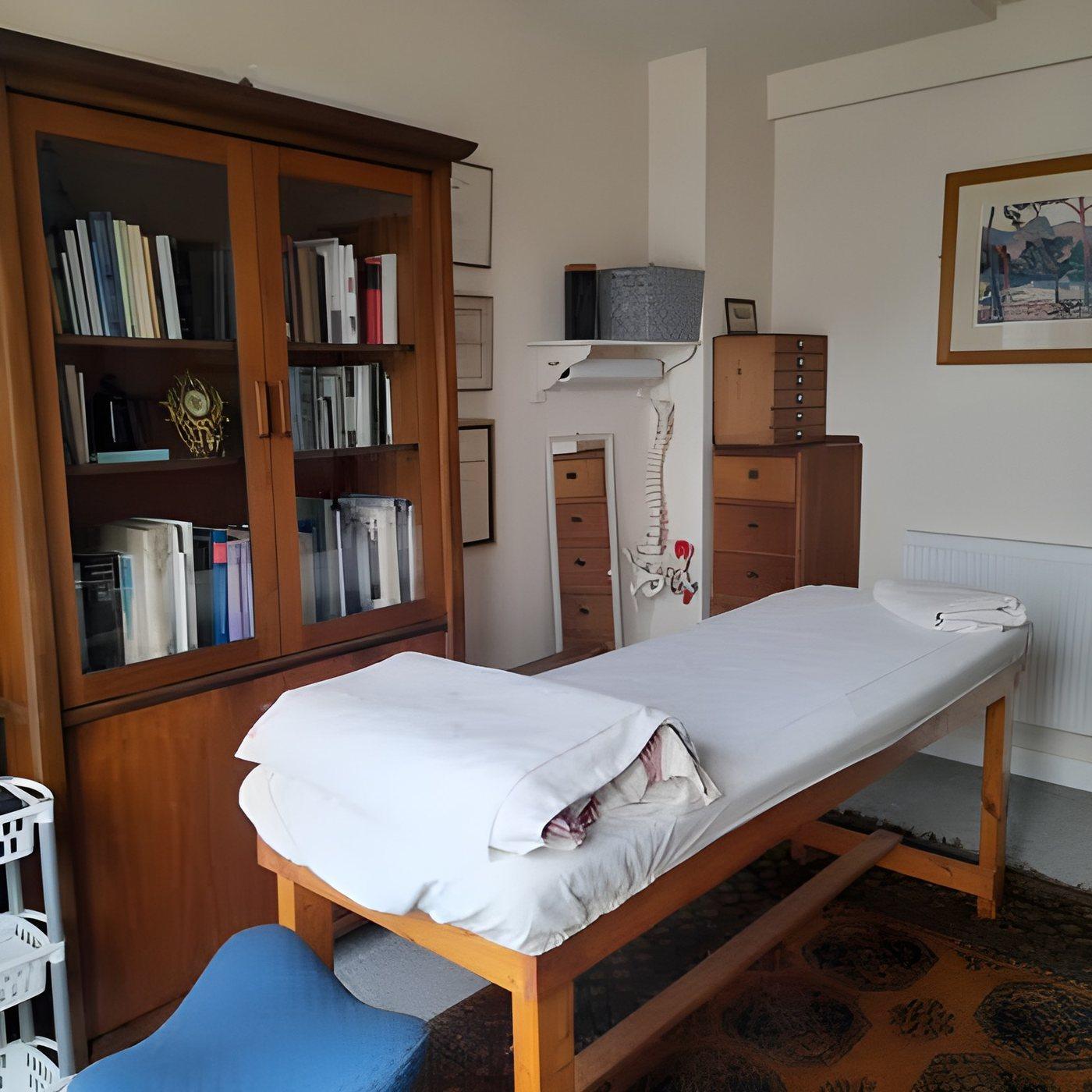
It is carried out by Khaled Ben Moussa, a registered osteopath, as part of a proper assessment rather than a quick add-on. Dry needling is not acupuncture: it is based on Western anatomy and targets specific muscles. It is often combined with osteopathy or massage in the same appointment.
What it may help with
- Tight, tender knots in muscle (trigger points)
- Neck and shoulder muscle tension
- Muscular back pain and stiffness
- Muscle tightness from sport or training
- Support for wider osteopathic treatment
What to expect
Khaled starts by asking about your symptoms and medical history and examining the area, to check that needling is suitable. It isn't right for everyone. If you have a bleeding disorder, take blood-thinning medication, are pregnant or are anxious about needles, tell him and he'll suggest a different approach.
He explains what he plans to do and asks for your consent before he starts. You'll usually lie on the couch while he places a few fine needles into the tight areas, sometimes for a few seconds and sometimes for a few minutes. Every needle is sterile and single-use, and goes straight into a sharps bin afterwards.
You may feel a brief prick, a dull ache or a small twitch in the muscle. Mild soreness, and occasionally a small bruise, for a day or two is common and settles on its own. Carry on with your normal activities, and let Khaled know at your next visit how you got on.
Questions
Dry Needling, answered
Is dry needling the same as acupuncture?
No. Both use fine needles, but dry needling is based on Western anatomy and targets tight areas of muscle. Acupuncture comes from traditional Chinese medicine.
Does dry needling hurt?
Most people feel only a small prick, an ache or a twitch. Mild soreness afterwards is common and usually passes within a day or two. You can ask Khaled to stop at any time.
Are the needles safe?
Every needle is sterile and single-use, and goes into a sharps bin straight after treatment. Khaled checks your medical history first to make sure needling is suitable for you.
Can I book dry needling on its own?
Yes, after an assessment to confirm it's appropriate. It's often combined with other hands-on treatment in the same appointment.
Related
Often combined with
- 01Osteopathy
Hands-on assessment and treatment for back, neck, shoulder and joint pain, with a GOsC-registered osteopath.
- 02Sports Injury Massage
Firmer, targeted massage for active people, which may help ease tight, overworked muscles.
- 03Cupping
Gentle suction cups on the skin, which may help ease muscle tension and tightness.