
Osteopathy · Lancing
Osteopathy for back, neck and joint pain
Osteopathy is a hands-on way of assessing and treating muscles, joints and soft tissues. Khaled looks at how your whole body moves, not only the place that hurts, and explains what he finds in plain language.
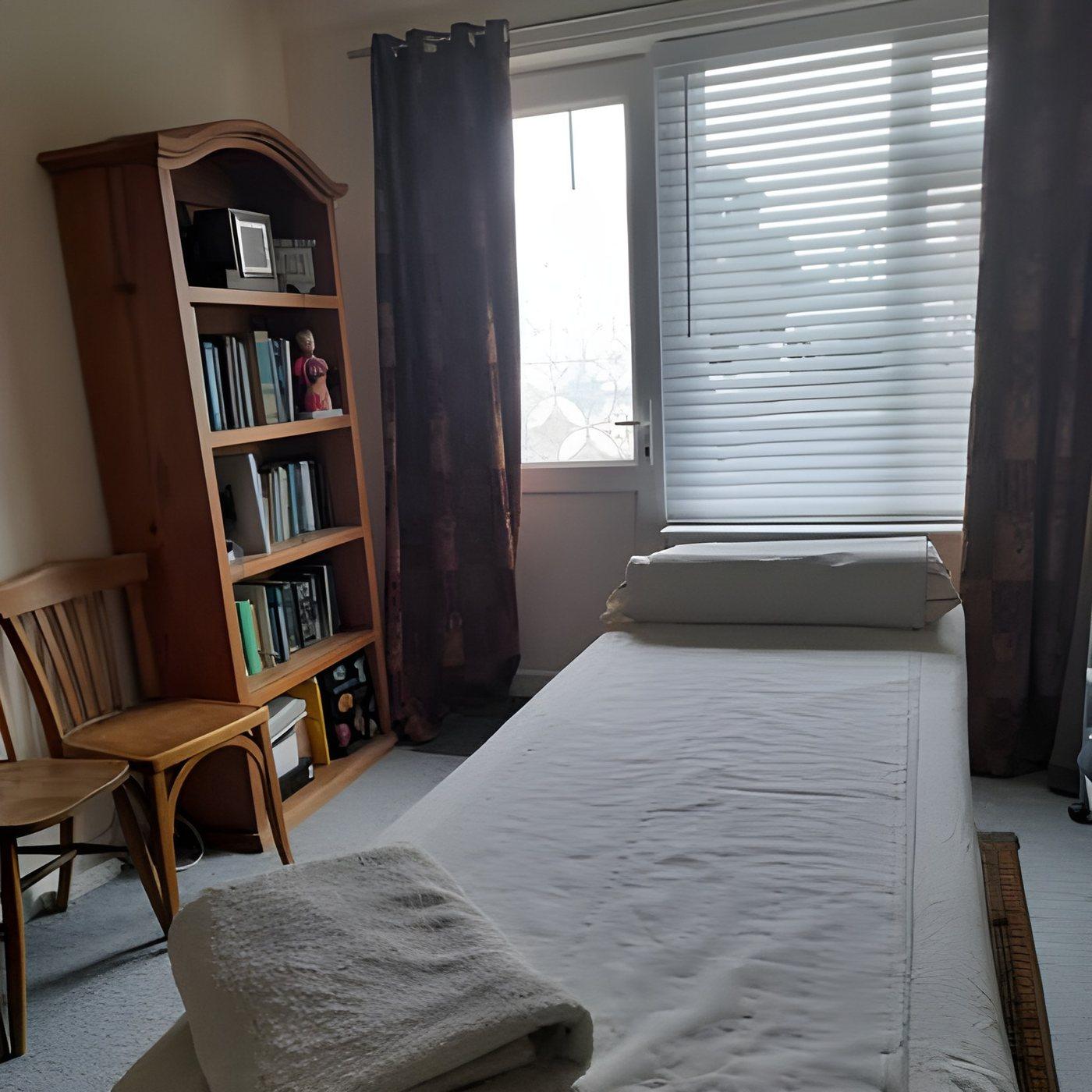
Khaled Ben Moussa is registered with the General Osteopathic Council (GOsC 3309), and every appointment is with him, so he gets to know you and your history. You don't need a GP referral. Patients come to the clinic on Sompting Road from across Lancing, Sompting, Worthing and Shoreham-by-Sea.
What it may help with
- Back pain, whether recent or long-standing
- Sciatica and pain that travels into the leg
- Neck pain and stiffness
- Headaches that start in the neck
- Shoulder pain, including frozen shoulder
- Hip, knee and arthritic joint pain
- Muscle spasm and general aches and pains
- Minor sports injuries
What to expect
Your first appointment lasts around 45 minutes, and treatment is usually included. It starts with a conversation: what is bothering you, when it started, what makes it better or worse, your general health and any medication, and what you want to get back to, whether that's work, sleep, sport or simply getting through the day more comfortably.
Khaled then watches how you move and examines the area with his hands, explaining as he goes. You may be asked to remove some outer clothing, so wear something comfortable or bring shorts or a vest top. You're welcome to bring a friend or family member with you.
Before any treatment, he tells you what he thinks is going on, what he suggests and why, and checks you're happy to go ahead. Treatment may include soft tissue massage, stretching, joint mobilisation and, only where it's suitable and you agree, manipulation. You'll leave with simple advice on posture, movement or exercises to do at home.
Follow-up appointments last around 30 minutes. How many you need depends on the problem and how long you've had it. Khaled gives you an honest view at your first visit and reviews it each time, rather than booking you in for sessions you don't need. If your symptoms aren't suitable for osteopathy, he'll say so and suggest where to go instead.
Feeling a little sore or stiff for a day or two after treatment is common, much like after exercise, and usually settles on its own. If you're unsure about anything afterwards, call Khaled and ask.
Questions
Osteopathy, answered
Can an osteopath help with sciatica?
Sciatica and pain that travels into the leg are among the problems osteopaths often see. Khaled will assess where the pain is coming from and whether osteopathy is suitable for you. If you have numbness around your bottom or genitals, new difficulty controlling your bladder or bowels, or weakness in both legs, don't wait for an appointment: call 999 or go to A&E.
What techniques does an osteopath use?
Mostly hands-on techniques: soft tissue massage, stretching, joint mobilisation and, sometimes, manipulation. Khaled chooses what suits you, your symptoms and your comfort. Where it helps, he can also combine osteopathy with dry needling, kinesiology taping or sports massage.
Do I have to have my back 'cracked'?
No. Manipulation, the technique that can make a clicking sound, is only one option and is never essential. Khaled explains what he would like to do, including any risks, and always asks for your consent first. If you'd rather not have it, he can use gentler techniques instead.
How many osteopathy sessions will I need?
It depends on the problem, how long you've had it and your general health. Khaled will give you an honest estimate at your first appointment and review your progress as you go. You book and pay for one appointment at a time.
When should I see my GP instead of an osteopath?
See your GP or call NHS 111 if your pain follows a fall or accident, comes with a fever or feeling generally unwell, is linked with unexplained weight loss, or keeps getting worse, especially at night. Khaled checks for signs like these at your first visit and will tell you if you need to see a doctor first.
Related
Often combined with
- 01Sports Injury Massage
Firmer, targeted massage for active people, which may help ease tight, overworked muscles.
- 02Dry Needling
Fine, sterile, single-use needles placed into tight muscle, which may help ease tension and muscular aches.
- 03Kinesiology Taping
Stretchy, breathable tape that may help support muscles and joints while you move.