
Kinesiology Taping · Lancing
Kinesiology taping in Lancing, for support while you move
Kinesiology tape is a thin, stretchy cotton tape applied over muscles and joints. Unlike rigid sports tape, it lets you move freely while giving light support.
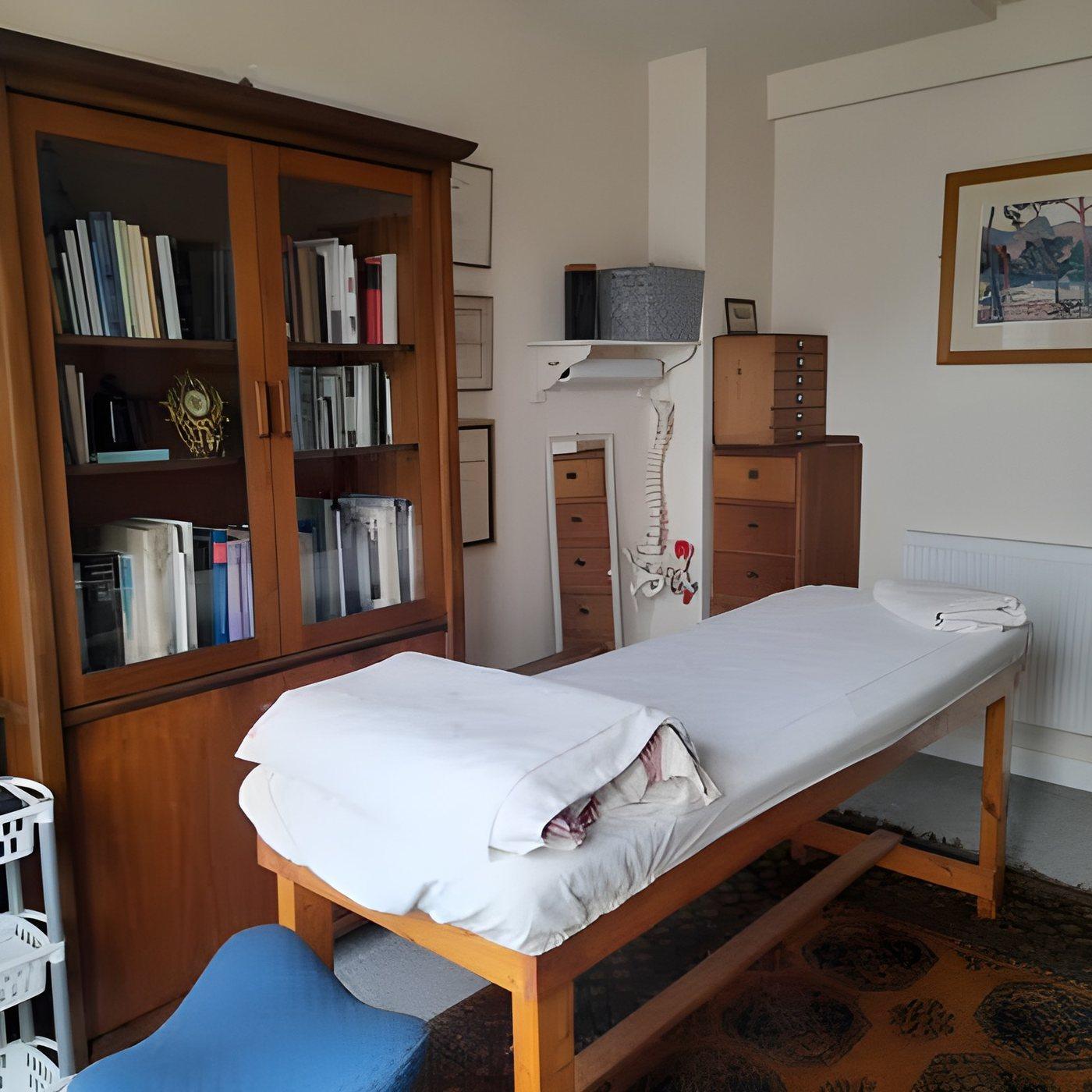
Khaled usually combines it with osteopathy or sports massage. It may help you feel supported and more comfortable between appointments, during training or through the working day.
What it may help with
- Light support for muscles and joints during activity
- Comfort between treatments
- Support as you return to activity after a minor sports injury
- Postural awareness, for example around the shoulders
What to expect
Khaled assesses the area first and decides with you whether taping is likely to be useful. Come with clean, dry skin, free of lotion or oil, so the tape sticks well.
The tape is cut to suit the area and the aim, then applied with a set amount of stretch. It's water-resistant and usually stays on for a few days. Khaled will show you how to remove it gently.
Taping supports your treatment rather than replacing it. Khaled may also show you exercises or simple changes to try at home.
Questions
Kinesiology Taping, answered
How long can I keep the tape on?
Usually a few days. Take it off sooner if your skin becomes itchy, red or irritated.
Can I shower or swim with kinesiology tape on?
Yes, the tape is water-resistant. Pat it dry afterwards rather than rubbing.
Is taping suitable if I have sensitive skin?
Tell Khaled about any sensitive skin or adhesive allergies. He may suggest a small test patch first, or a different approach.
Is taping a treatment on its own?
Not really. Taping gives light support and is used alongside hands-on treatment and advice, rather than instead of them. Khaled will explain where it fits in your plan.
Related
Often combined with
- 01Sports Injury Massage
Firmer, targeted massage for active people, which may help ease tight, overworked muscles.
- 02Osteopathy
Hands-on assessment and treatment for back, neck, shoulder and joint pain, with a GOsC-registered osteopath.
- 03Dry Needling
Fine, sterile, single-use needles placed into tight muscle, which may help ease tension and muscular aches.